admin
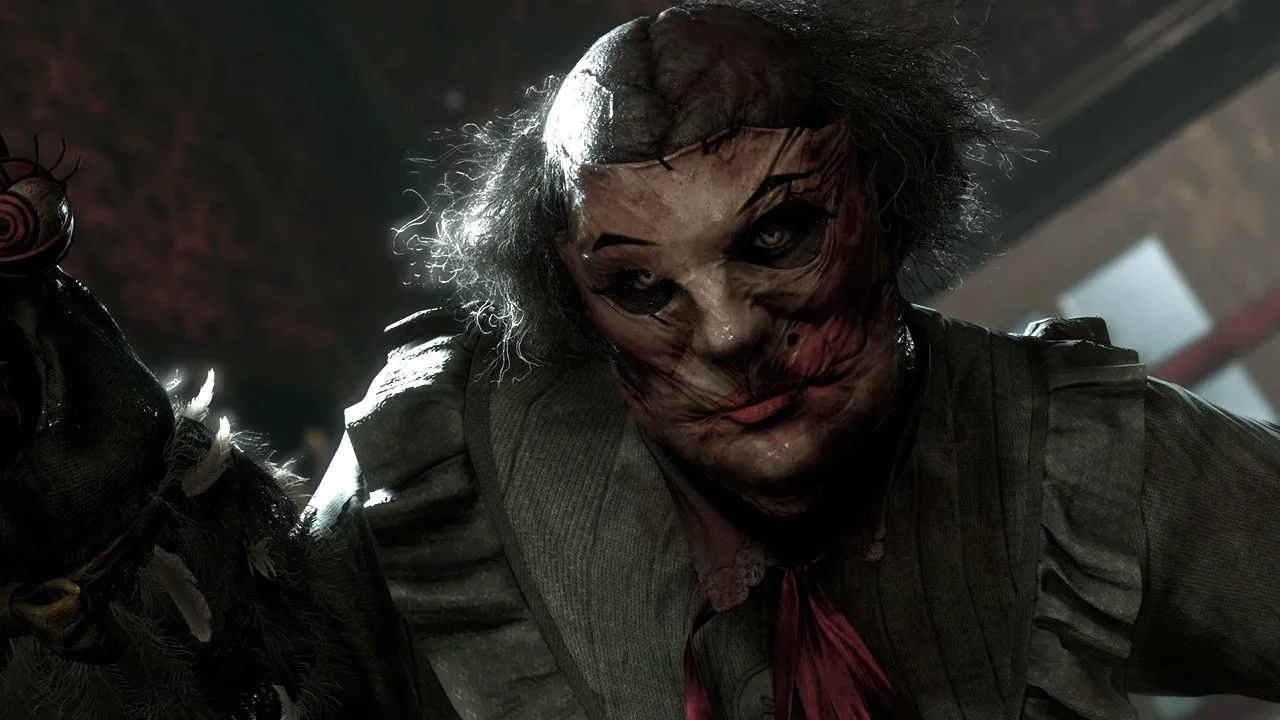
In the early 2010s, survival horror was seen by many game publishers as a risky niche. When Red Barrels, the small Montreal indie studio, pitched their brutal first‑person horror game Outlast, the response was clear: no publisher wanted it. Big studios doubted the market for a game where you cannot fight back, only run, hide, and watch your limited night‑vision battery drain while hunted in a deranged asylum.
Today, the Outlast franchise has terrified more than 60 million players around the globe. What started as a rejected indie passion project has grown into one of the most influential horror juggernauts in video game history.
Red Barrels was founded by veteran developers who had worked on big AAA franchises before deciding to build something raw and uncompromising on their own. With no publisher funding or marketing safety net, the team poured their energy into building Outlast: the story of investigative journalist Miles Upshur sneaking into Mount Massive Asylum, uncovering Murkoff Corporation’s horrific secret experiments. The core design rule was simple: players have no weapons. Your only tools are a camera with night vision and your own wits. You cannot kill the monsters chasing you. You can only survive.
This exact premise was what made publishers hesitant. Back then, many publishers believed horror games needed combat, loot, and mainstream appeal to sell. A pure chase‑and‑hide horror experience felt too narrow, too scary, too unmarketable. Every door they knocked on was closed. So Red Barrels took the only path left: self‑publish.
When Outlast launched in September 2013, it exploded through word of mouth. Streamers and YouTubers flocked to the game, screaming their way through Mount Massive Asylum. Viewers turned into players. The terrifying atmosphere, tense sound design, and relentless sense of vulnerability struck a nerve that polished AAA horror had stopped hitting. The standalone DLC Whistleblower expanded the nightmare, and years later, the series kept evolving with Outlast 2 and the co‑op multiplayer horror The Outlast Trials.
The Outlast series now tops 60 million total players. The Outlast Trials alone pulled in nearly 19 million players, boosted by subscription releases and a hunger for shared horror experiences. The franchise is so big that a movie adaptation with Lionsgate is already in development, bringing Mount Massive’s terror to the silver screen.
The story of Outlast is a powerful reminder for the games industry. Publishers cannot always predict what players will love. Sometimes the ideas everyone dismisses are exactly the experiences audiences are craving. Red Barrels refused to water down their vision to fit what publishers thought horror “should” be. They kept the game visceral, oppressive, and frightening, and trusted players to respond.
Indie success stories like this feel rarer now, as the industry leans more toward safe bets and big-budget live-service titles. But Outlast proves that bold, unfiltered creative vision can beat rejection. Sixty million terrified players later, Red Barrels did not just make a hit horror game. They rewrote what an indie horror franchise could become.
Horror thrives when it dares to be different. And sometimes, the games no publisher wanted turn out to be the ones the world needed.